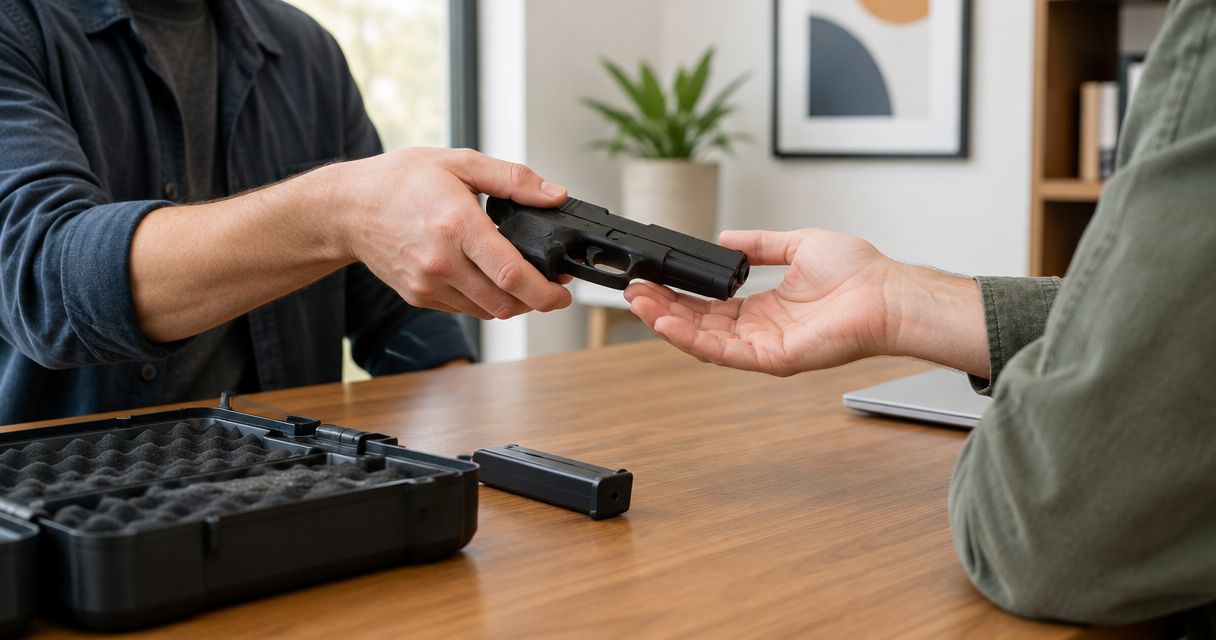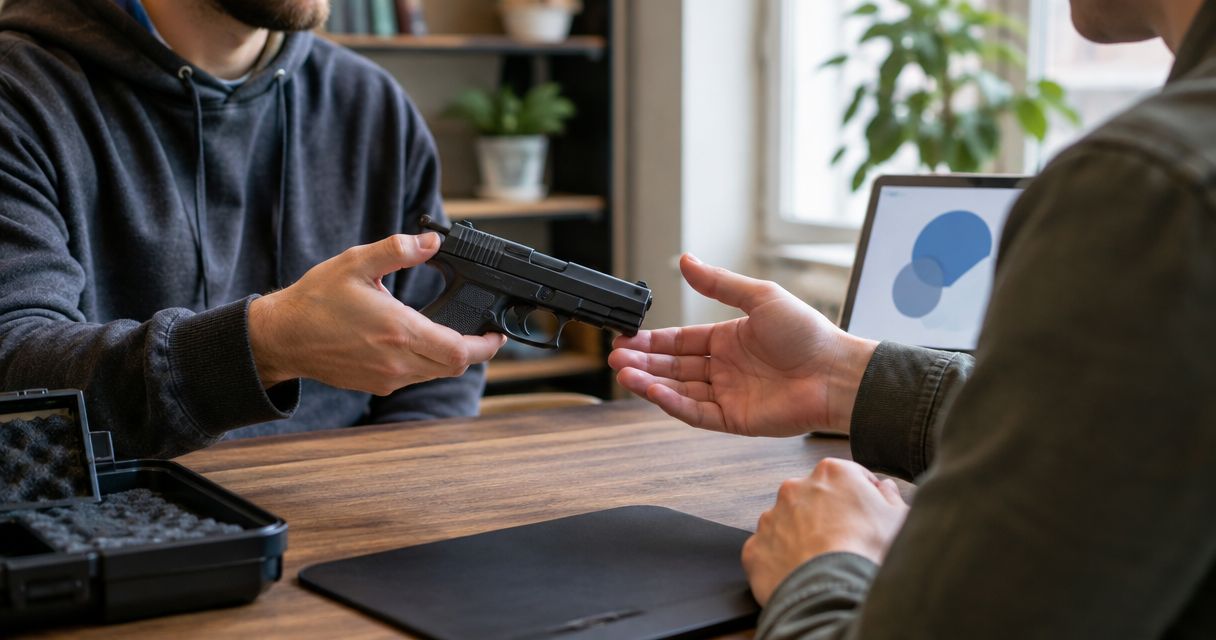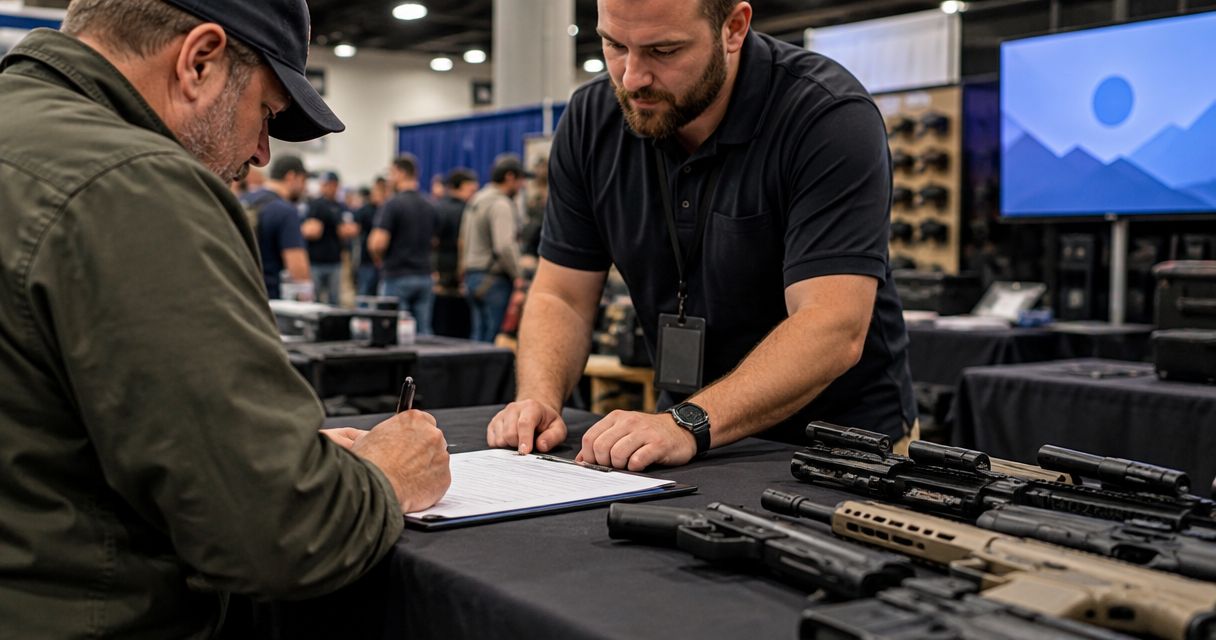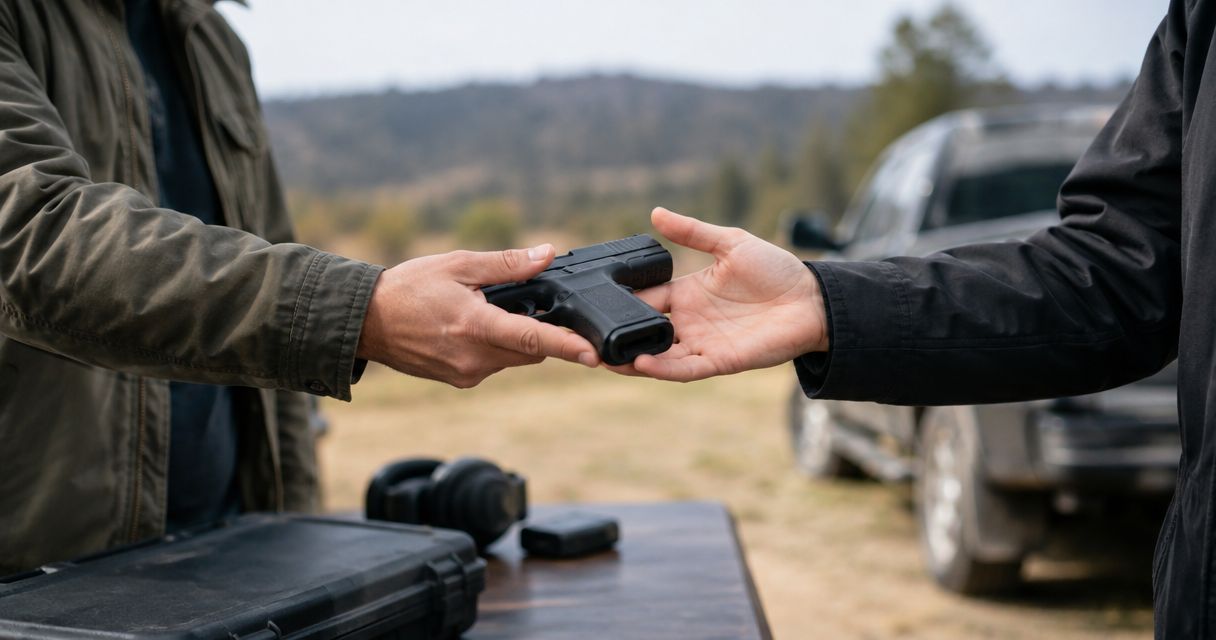
Yes, you can buy a gun from another person you do not know personally, provided you and the seller follow the applicable federal, state, and local transfer rules. In 2026, personal familiarity is not the legal test: residency, eligibility, firearm type, and any required dealer involvement or background check determine whether the transfer is lawful.
- Can you buy a gun from another person? Yes, but residency, eligibility, and state transfer rules control.
- A bill of sale does not replace a required background check or licensed dealer transfer.
- Buying from an out-of-state individual generally requires a licensed dealer; meeting in person does not remove that requirement.
- Guntransfer serves private firearm buyers seeking background-check handling, bills of sale, and ownership records across 37 states.
Why this matters
A stranger is not automatically an unlawful seller, and a friend is not automatically a lawful one. The same transfer restrictions apply regardless of how you met. A classified advertisement, personal introduction, or gun-show meeting does not create an exemption.
Guntransfer is for private firearm buyers who want help handling background checks and transfer records. Guntransfer provides its online private firearm transfer service across 37 states. Service coverage does not replace the need to confirm the rules for your particular transaction.
For a 2026 purchase, separate three questions: whether you can possess the firearm, whether the seller can transfer it to you, and what process the law requires. Passing one of those tests does not answer the others.
Can you buy a gun from someone you don't know personally?
Yes. Federal law does not generally require a private buyer and seller to know each other personally. Federal restrictions instead address prohibited recipients, interstate transfers, dealer transactions, and other circumstances. State law can impose additional requirements on a sale between residents of the same state.
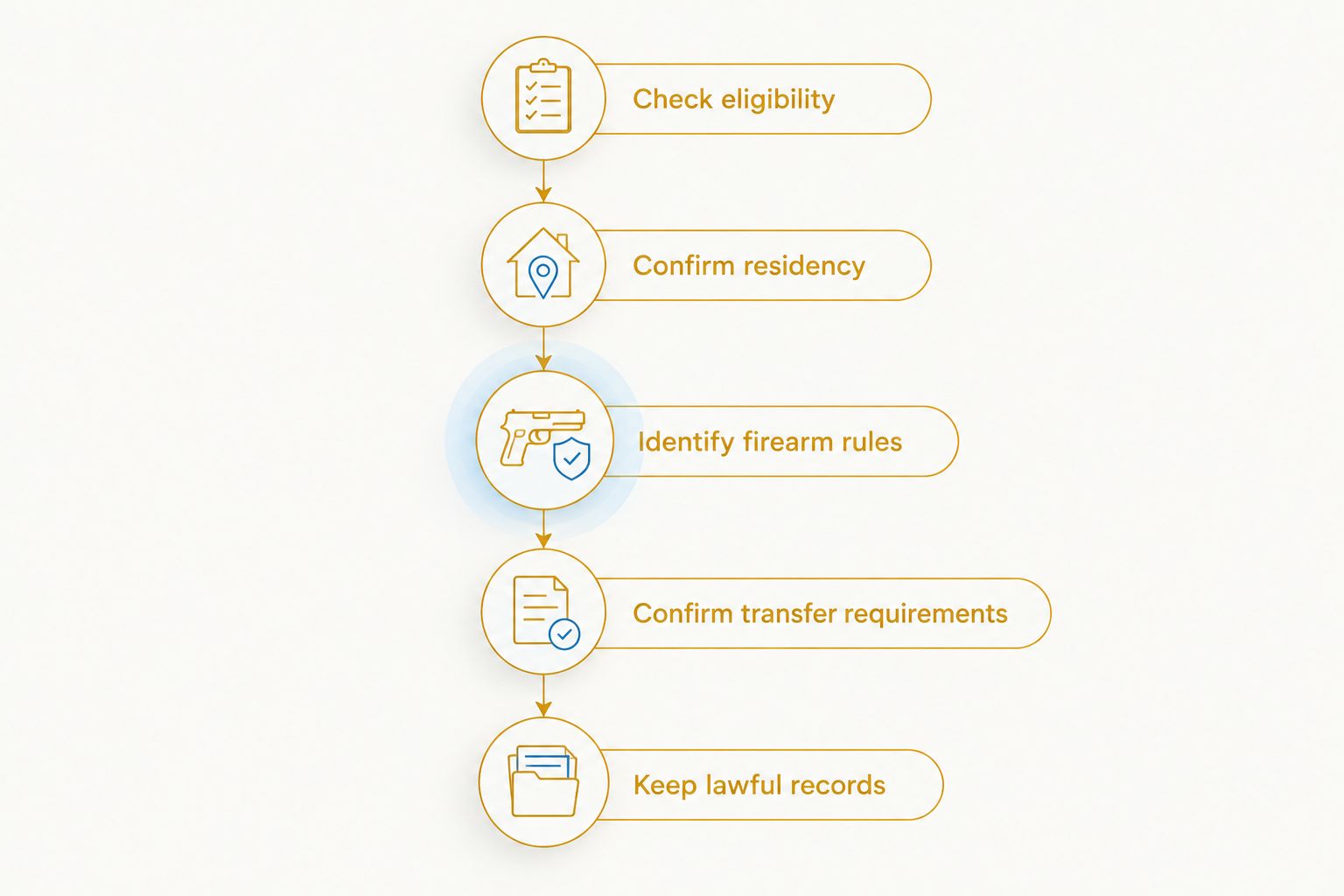
Use this legal checklist before treating a private sale as permissible:
- Check eligibility. Confirm that you can lawfully receive and possess the firearm. A private transaction does not exempt you from prohibited-person restrictions.
- Confirm residency. Determine whether the transaction is between residents of the same state. Where you meet is not a substitute for legal residency.
- Identify firearm rules. Check the rules for the specific firearm, including applicable age limits and any additional restrictions.
- Confirm transfer requirements. Establish whether a dealer, background check, permit, waiting period, or other state procedure applies.
- Keep lawful records. Retain appropriate transaction documents without treating them as proof that every legal requirement was satisfied.
These checks follow the federal framework in 18 U.S.C. § 922, including its restrictions on interstate transfers and transfers to prohibited persons. They are not a substitute for the current requirements published by your state authority.
The distinction that matters most is not stranger versus friend. It is which legal transfer requirements apply to the buyer, seller, and firearm.
| Transaction situation | Federal starting point | Benefit of identifying it | Limitation to address |
|---|---|---|---|
| Private sale between same-state residents | Federal law generally does not require an unlicensed occasional seller to conduct a background check | Establishes the federal baseline | State law can require a check, dealer involvement, or other conditions |
| Private sale between residents of different states | Transfer generally must involve a federally licensed dealer | Identifies the interstate restriction | A face-to-face meeting does not turn it into a same-state transaction |
| Purchase from a licensed dealer | Dealer transfer and background-check rules apply, subject to lawful exceptions | Provides a regulated transfer process | State requirements and federal eligibility restrictions still apply |
| Transaction documented by a bill of sale | Documentation records the transaction | Supports recordkeeping | Paperwork does not replace a legally required transfer process |
Same-state private purchases: state requirements still apply
For a same-state purchase in 2026, federal law generally permits an occasional sale between unlicensed individuals without requiring the seller to run a federal background check. That does not mean every same-state private sale is lawful without further steps.
States can require private transfers to pass through a licensed dealer or another authorized process. They can also impose permits, waiting periods, age restrictions, or firearm-specific conditions. Check the actual rule rather than assuming that a neighboring state's practice applies.
Best for understanding a same-state sale: start with your state's private-transfer requirements, then check the federal restrictions. This prevents a common mistake: reading that federal law does not require a particular step and concluding that state law cannot require it.
An occasional private seller also differs from someone engaged in the business of dealing in firearms. A person cannot avoid applicable dealer-licensing requirements simply by describing transactions as private sales.
Interstate private purchases: a meeting does not change residency
Buying from an individual who resides in another state generally requires a federally licensed firearms dealer to complete the transfer. Federal restrictions on transfers between unlicensed residents of different states appear in 18 U.S.C. § 922(a)(3) and § 922(a)(5), subject to specified exceptions.
Best for an interstate purchase: confirm the required dealer process before proceeding. Meeting across a state line, meeting halfway, or agreeing to sign paperwork does not remove the interstate restrictions.
For an ordinary interstate handgun purchase, the receiving dealer generally must be in the buyer's state of residence. Federal law permits certain dealer sales of rifles and shotguns to out-of-state residents when the transaction complies with the applicable requirements of both states. Do not apply that long-gun provision to a direct transfer between two unlicensed individuals.
In 2026, an online conversation with a seller changes neither party's residency nor the required transfer process. The method of finding the seller and the legal method of transferring possession are separate issues.
Why private-sale requirements vary
Private-sale rules vary because several legal requirements can apply to the same transaction. Check each factor independently:
- Residency: Same-state and interstate transactions have different federal requirements. Physical meeting location alone does not establish residency.
- Firearm classification: Handguns, rifles, shotguns, and firearms subject to special federal regulation do not share every transfer rule.
- Buyer eligibility: Age and prohibited-person restrictions can prevent a transfer even when the proposed paperwork is otherwise appropriate.
- State and local law: Additional background checks, permits, waiting periods, and possession restrictions can apply.
- Seller status: An occasional unlicensed seller and a federally licensed dealer have different legal obligations.
- Transaction type: A sale, inheritance, and other transfers can involve different provisions or exceptions. Do not apply an inheritance exception to an ordinary purchase.
These factors explain why another buyer's experience is not a reliable legal checklist. Even an accurate account can involve a different firearm, state, or seller status.
Do you need a background check to buy from a private person?
A background check is not universally required by federal law for an occasional private sale between unlicensed residents of the same state, but state law can require one. When a licensed dealer handles the transfer, the dealer's applicable background-check obligations apply, subject to lawful exceptions.
The FBI's National Instant Criminal Background Check System, or NICS, is not a public search tool that any private seller can use to clear a buyer. An informal internet search, a photograph of identification, or a signed statement is not a substitute for a required background check.
Use the guide to background-check options for a private gun sale to understand the distinction between checking eligibility and completing the legally required transfer process.
A favorable background-check result also does not eliminate every other requirement. A waiting period, permit condition, or restriction on the firearm itself still matters. Treat the background check as one part of compliance, not permission to disregard the rest.
How old do you have to be to buy from another person?
Federal licensed-dealer age rules generally set the minimum at 18 years for rifles and shotguns and 21 years for handguns. Those dealer thresholds come from 18 U.S.C. § 922(b)(1); they should not be presented as a complete summary of every private-sale age rule.
Federal law separately restricts handgun transfers to and possession by people under 18 years, with specified exceptions under 18 U.S.C. § 922(x). States can impose additional restrictions, including rules affecting buyers who have reached a federal minimum age.
For a 2026 transaction, verify both the buyer's age and the rule that applies to the particular transfer. Being old enough under one provision does not establish eligibility under all applicable laws.
Do not use a private seller to bypass an age restriction that applies to you. If a dealer must complete the transaction, the dealer's applicable age requirements remain part of that process.
Does a bill of sale make a private gun purchase legal?
A bill of sale documents a transaction; it does not make a prohibited transfer lawful. It cannot replace a required dealer transfer, background check, permit, or waiting period.
Useful records identify the parties, describe the firearm accurately, and record the transaction date. Keep the information consistent with any documents completed through the required transfer process, and protect personal information from unnecessary disclosure.
A seller's signature also does not establish that the firearm is lawfully owned or that the buyer is eligible. If material information is inconsistent or the seller refuses a legally required process, stop rather than trying to fix the problem with additional paperwork.
Guntransfer's private firearm transfer service includes bills of sale and ownership records. Those records support documentation; they do not override federal or state restrictions.
FAQ
Can you buy a gun from another person if you have never met them?
Yes, personal familiarity is not generally a federal requirement for a private firearm purchase. The transaction must still satisfy residency, eligibility, firearm-specific, and applicable state transfer requirements.
Can I buy a gun from a private seller in another state?
An interstate purchase from a private seller generally requires a federally licensed dealer to complete the transfer. Meeting the seller in person does not remove the interstate restrictions.
Does every private gun sale require a background check?
No, federal law does not universally require a background check for an occasional private sale between unlicensed residents of the same state. State law can require one, and dealer-handled transfers follow the dealer's applicable requirements.
Is a bill of sale enough to transfer gun ownership legally?
No, a bill of sale alone does not satisfy every firearm transfer requirement. It documents the transaction but does not replace a required dealer, background check, permit, or waiting period.
Can I buy a handgun from a dealer when I am 18 years old?
No, federal law generally requires a buyer to be 21 years old to receive a handgun from a federally licensed dealer. Separate private-transfer rules and state restrictions require their own review.
Does buying a gun from a friend change the rules?
No, friendship alone does not create an exemption from firearm transfer laws. Apply the same eligibility, residency, and transfer checks that would apply when buying from a stranger.
Does a concealed carry permit let me skip every transfer requirement?
No, a concealed carry permit does not eliminate every transfer requirement. Certain qualifying permits can affect the federal dealer background-check procedure, but other federal and state requirements still apply.
One last thing
The seller's willingness to complete required checks matters more than how well you know the seller. A familiar person can propose an unlawful transfer, while a stranger can follow every required step.
Before a 2026 purchase, resolve the legal process before treating the transaction as settled. If residency, eligibility, or the required transfer procedure remains unclear, pause and seek guidance from a licensed dealer, the responsible state authority, or a qualified attorney. This page provides general legal information, not advice for an individual transaction.